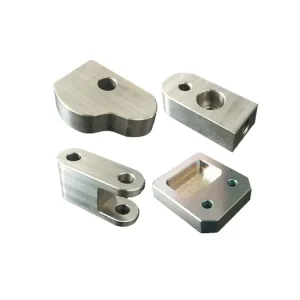
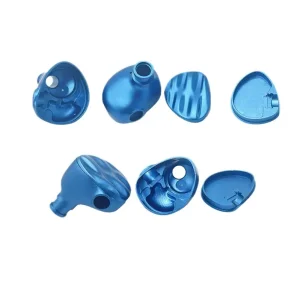
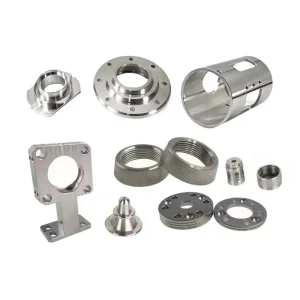
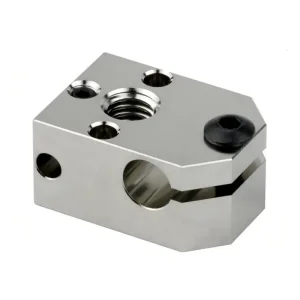
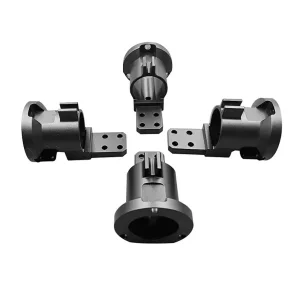
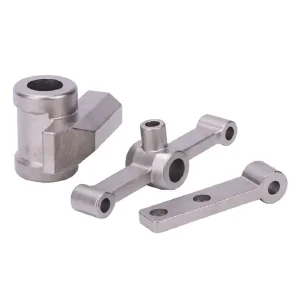
Explore our core engineering capabilities in stainless steel precision casting, custom non-standard CNC turning, titanium milling, and multi-axis complex machining engineered for rigorous biomedical and industrial applications.
Navigating tight tolerances, biocompatibility standards, and strict zero-defect manufacturing in modern healthcare systems.
Medical machined parts require strict adherence to certified materials such as Titanium Grade 5 (Ti-6Al-4V ELI), Implant-Grade 316L Stainless Steel, PEEK, and Nitinol. Chemical stability and resistance to physiological corrosion are non-negotiable parameters for surgical and diagnostic devices.
With surgical robotics and minimally invasive endoscopic devices scaling down, dimensional tolerances regularly reach ±0.002mm (2 microns). Achieving such repeatabilities demands state-of-the-art Swiss-type turning, 5-axis CNC micro-milling, and thermal-controlled machining environments.
Under international standards including ISO 13485, FDA 21 CFR Part 820, and EU MDR compliance, custom medical hardware demands complete batch material traceability, full CMM dimensional inspection protocols, and certified cleanroom passivation.
Integrating turn-mill composite machining, high-precision investment casting, and automated quality control pipelines.
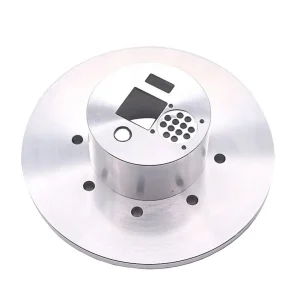
Complex surgical components, such as joint replacement trial implants and internal housing for arthroscopic devices, require multi-axis simultaneous machining. Our 5-axis CNC centers eliminate multiple setups, maintaining geometrical alignment across complex organic surfaces while achieving Ra 0.2 µm micro-finishes without manual polishing.
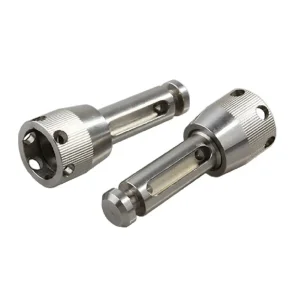
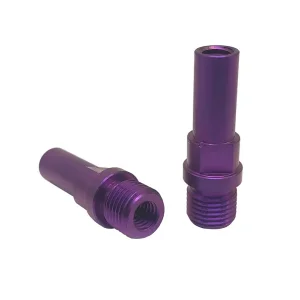
Ideal for slender, high-aspect-ratio medical components such as bone screws, spinal rods, and vascular catheter drivers. By utilizing sliding headstock machinery equipped with live tooling, turning and transverse milling are performed in a single clamping cycle, eliminating concentricity errors and delivering volume batch consistency.
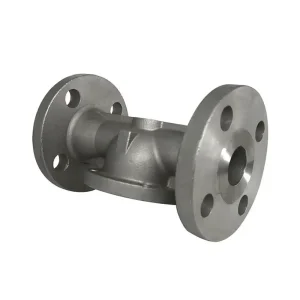
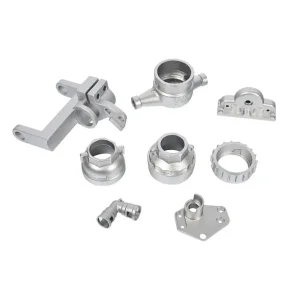
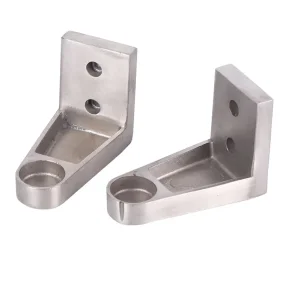
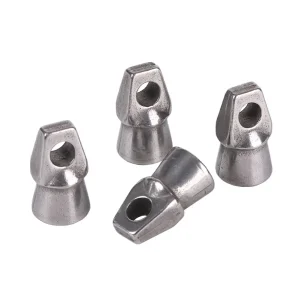
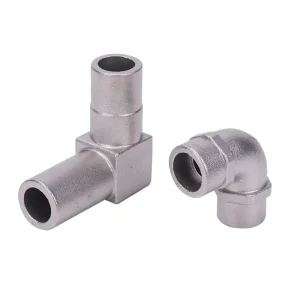
Combining soluble wax investment casting with secondary precision CNC finishing enables economical production of complex metallic housings, structural valve bodies, and custom marine/medical brackets. Casting allows optimized structural weight, while subsequent CNC machining guarantees critical sealing surface flatness within ±0.005mm.
Machined medical parts undergo rigorous post-processing including citric/nitric acid passivation according to ASTM A967 to build a stable chromium oxide corrosion barrier. Ultrasonic solvent degreasing and micro-deburring under high magnification ensure no microscopic metallic particulate compromises patient safety.
Dongguan SX Technology Co.,Ltd has built rich, industry-acclaimed expertise in high-precision investment casting, multi-axis CNC machining, and complex mechanical assembly. Our custom engineered products serve critical roles across demanding industries including medical equipment, surgical robotics, machinery, automotive systems, marine engineering, ships, fluid control valves and pumps, electronic hardware, packaging tech, precision watches, chemical infrastructure, and high-end outdoor equipment.
Our metallurgy portfolio covers the full spectrum of industrial materials. For investment casting, we specialize in high-grade stainless steel (304, 316L, 17-4PH) and carbon steel. Our CNC machining operations cover titanium alloys (Ti-6Al-4V, Grade 2), stainless steel, carbon steel, aluminum alloys (6061-T6, 7075-T6), copper alloys, brass, bronze, and cemented carbide.
Equipped with state-of-the-art CNC turning centers, 5-axis milling machine tools, high-precision CMM inspection units, and optical projectors, we respond rapidly to prototype demands while scaling seamlessly into mass production.
Inside our modern facility: where state-of-the-art machining technology meets strict quality assurance protocols.
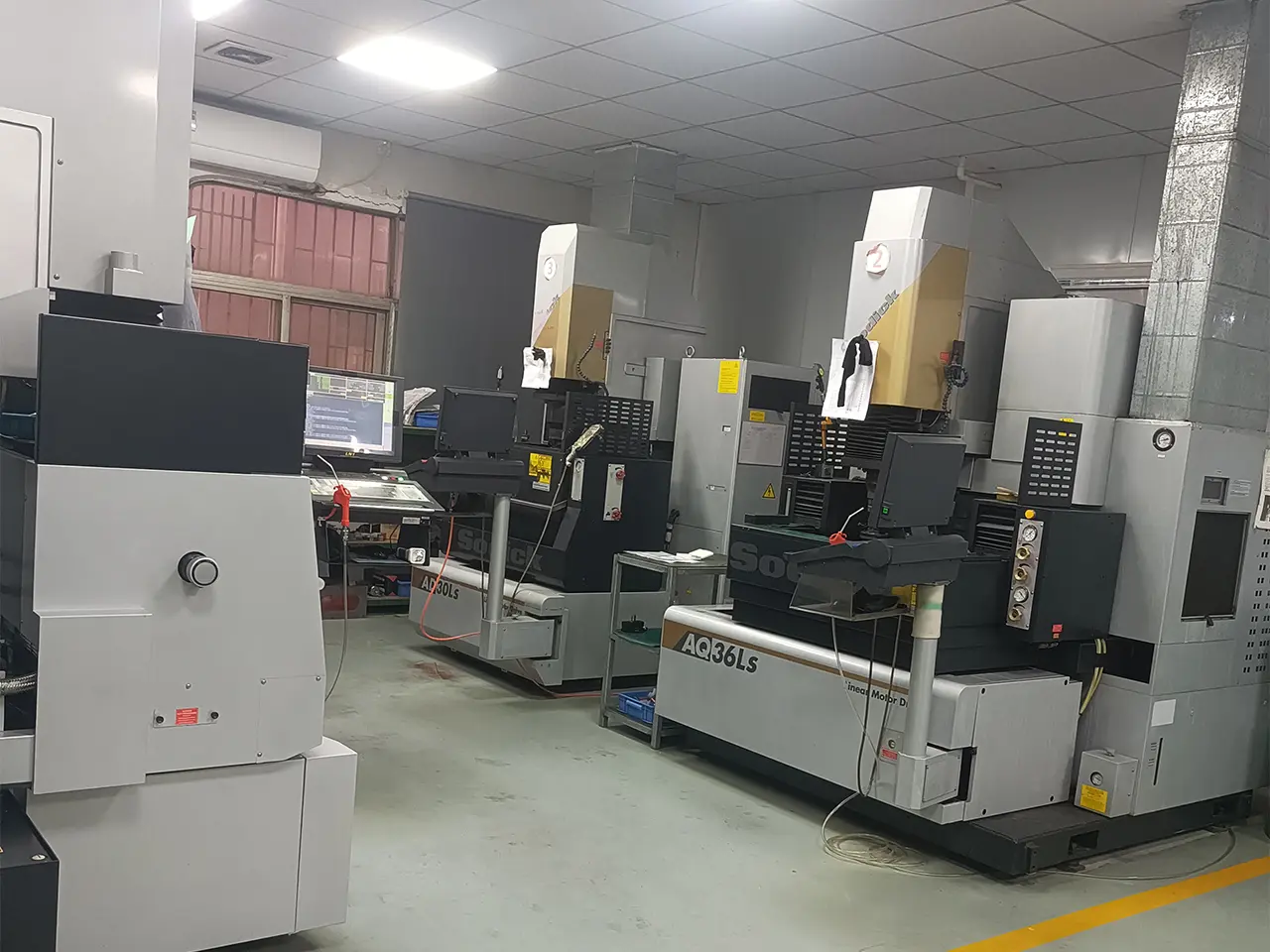
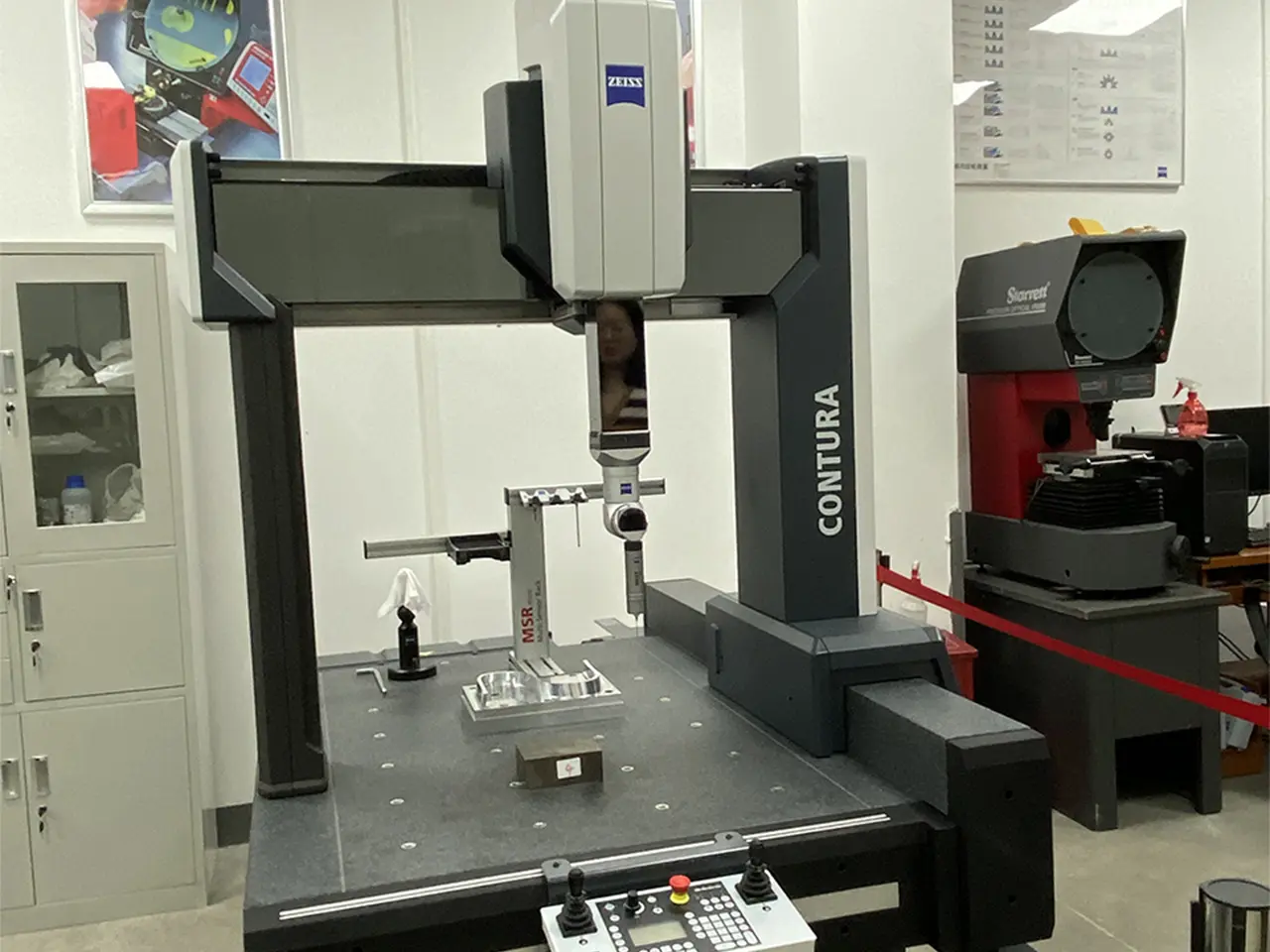
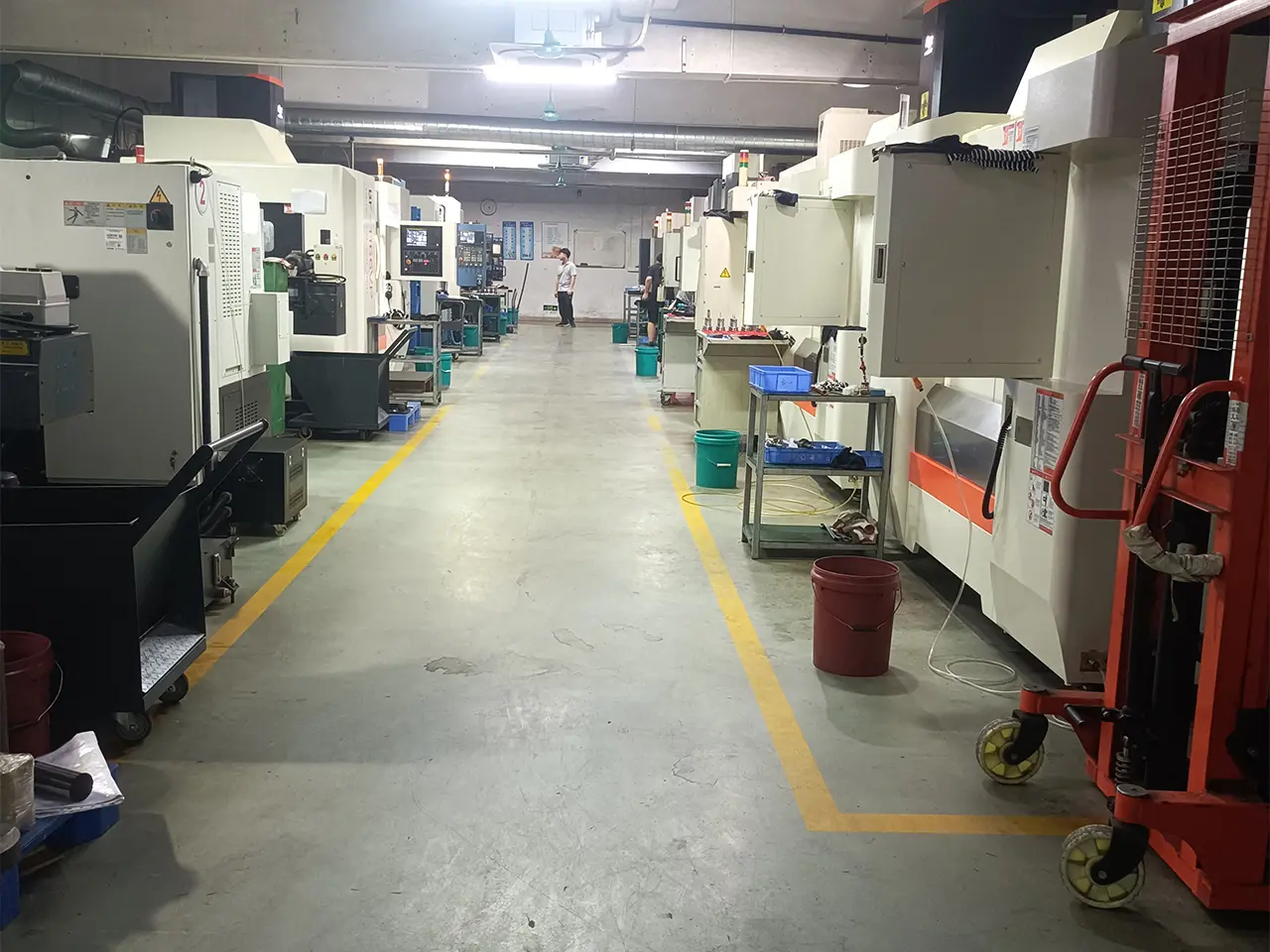
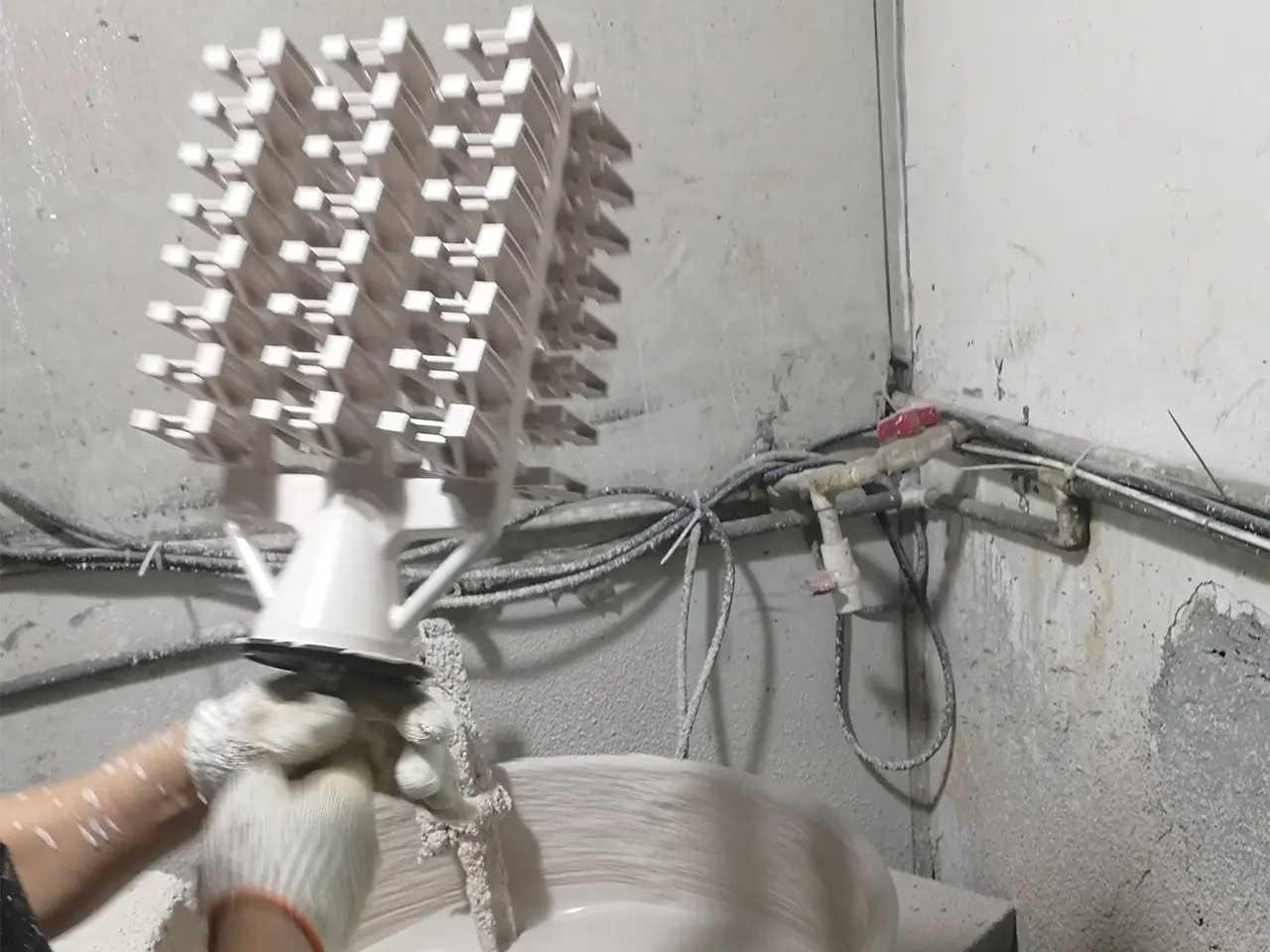
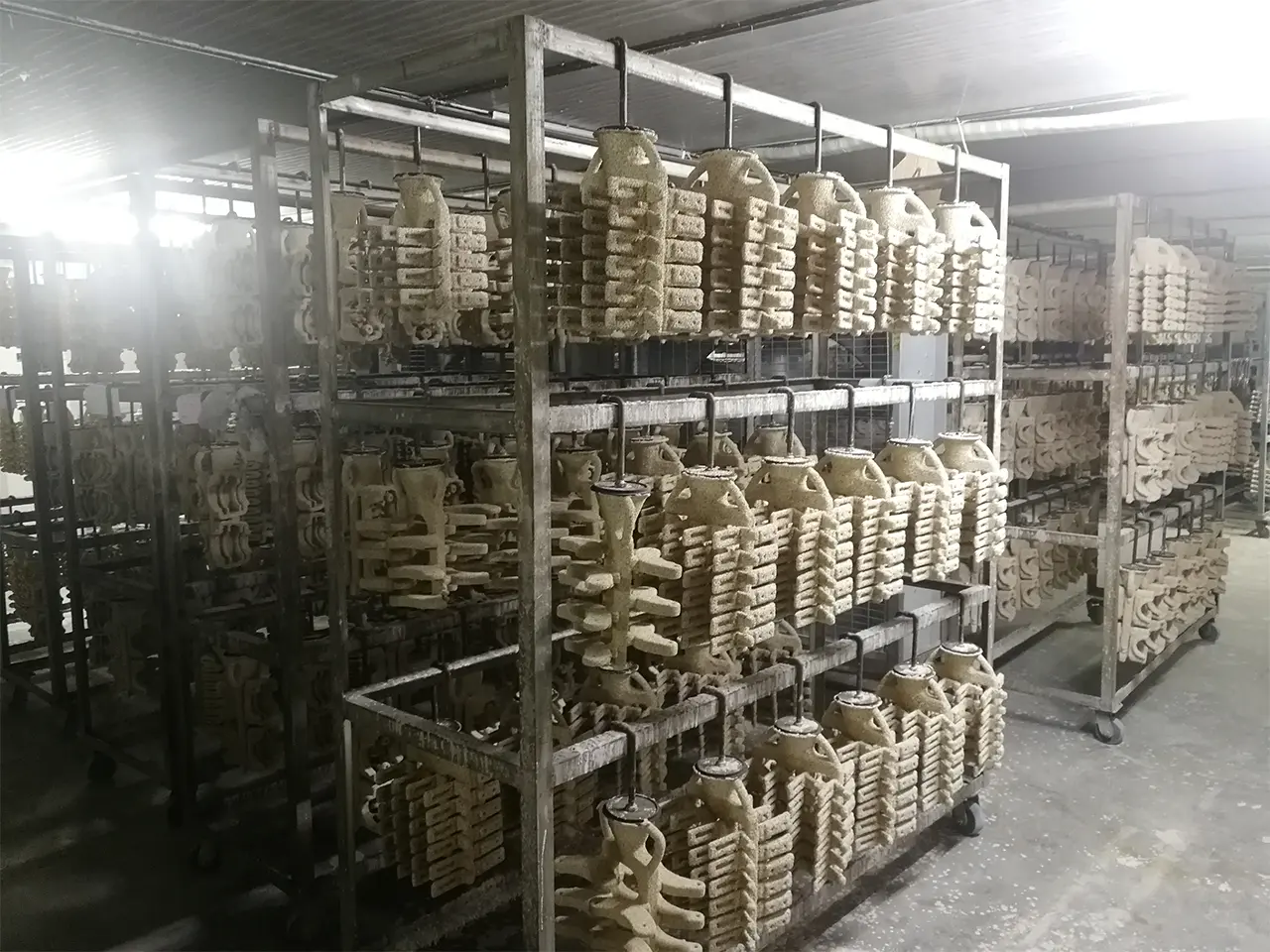
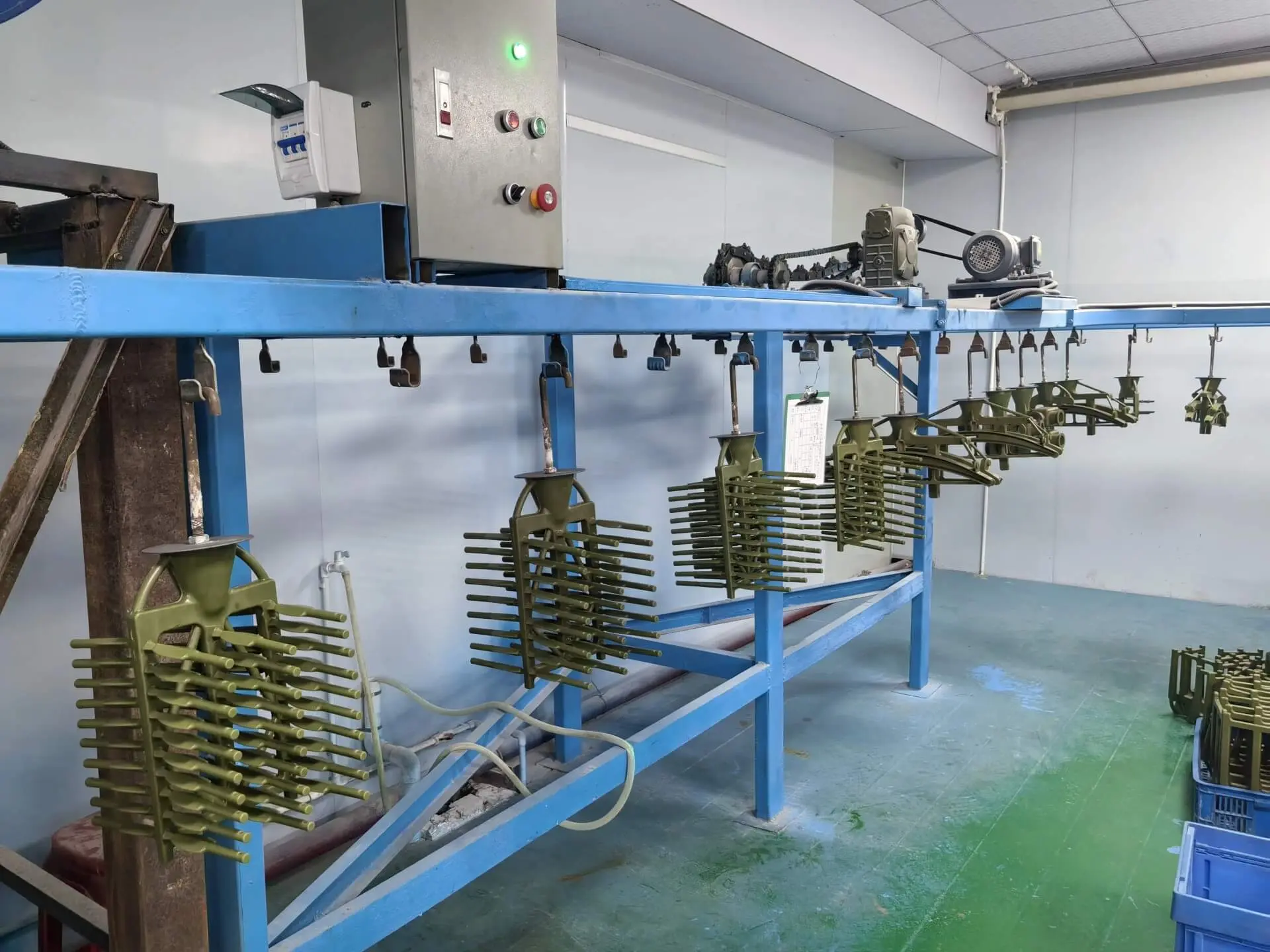
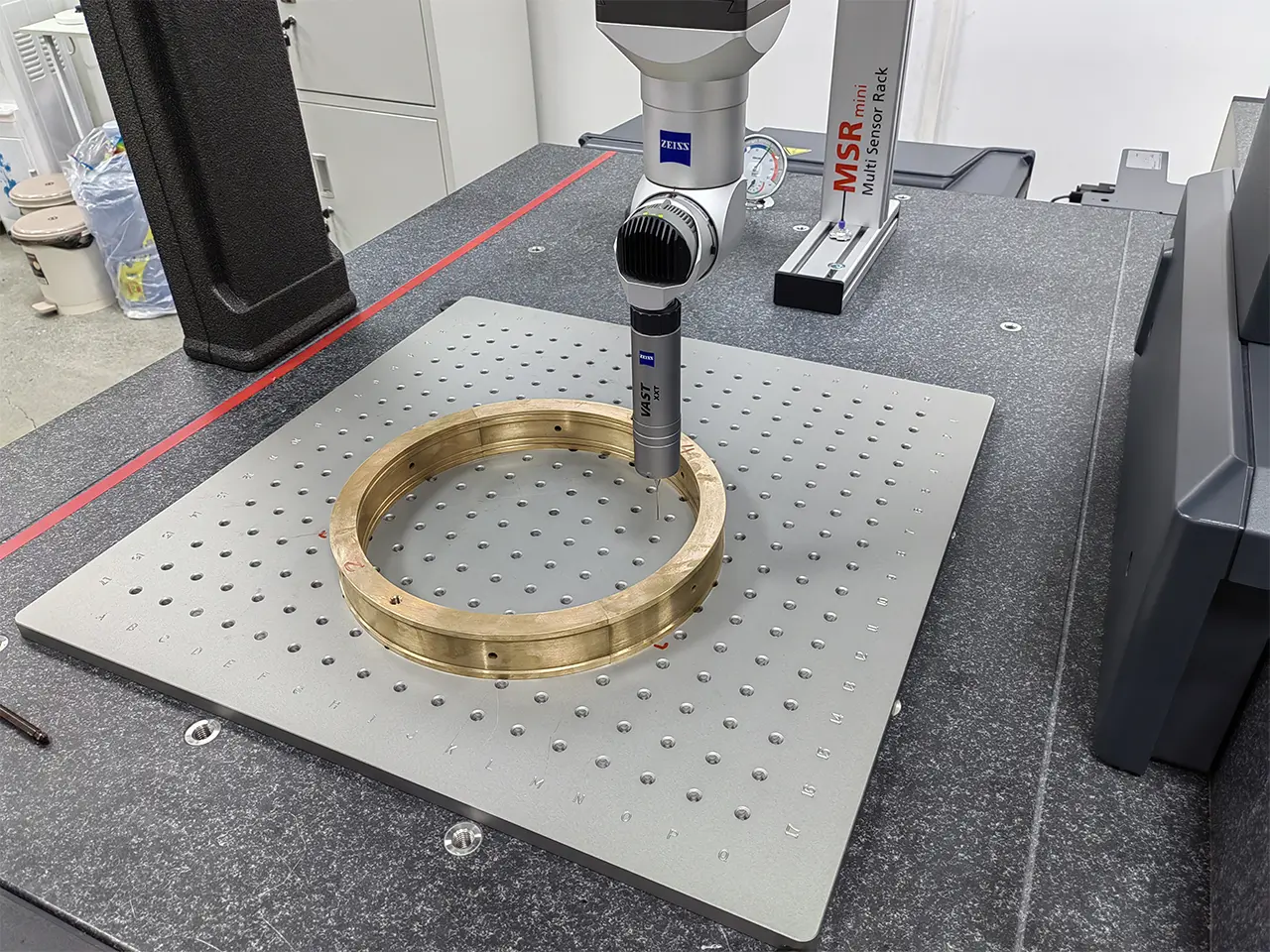
At Dongguan SX Technology Co.,Ltd, quality is the cornerstone of our manufacturing philosophy. We firmly believe that only through absolute process control and meticulous inspection can a precision manufacturer survive, grow, and maintain client trust globally. We have continuously refined our quality management system since establishing our operations in 2014.
Our quality control department is equipped with advanced 3D Coordinate Measuring Machines (CMM), optical measurement projectors, digital roughness testers, spectrographic material analyzers, and hardness testers. Every batch undergoes full-dimensional checking according to ISO 2859-1 sampling plans or 100% full inspection upon customer requirement.
From incoming material verification (PMI testing) to First Article Inspection (FAI) and final Pre-Shipment Inspection (PSI), we enforce strict GD&T tolerances to ensure seamless integration into medical assemblies, valve bodies, marine systems, and aerospace assemblies.
Providing precision engineered parts for demanding operating environments worldwide.
Micro-machined stainless steel and titanium cable pulleys, robotic wrist joints, and scissor mechanisms engineered with zero backlashes for minimally invasive surgical platforms.
High-precision turning of titanium alloy screws (Ti-6Al-4V ELI), spinal fixation rods, bone plate components, and trial joint replacement inserts designed for optimal osseointegration.
Cast non-standard investment body parts and micro-milled manifold blocks designed for chemical immunity against corrosive diagnostic reagents and high fluidic pressures.
Leveraging high-density manufacturing clusters, rapid tooling, and agile production logistics to shorten time-to-market.
Located in Dongguan—the world's hardware capital—we tap into immediate raw material availability, specialized thermal processing centers, vacuum heat treatment, and specialized surface anodizing within a 15-mile radius.
Transition from CAD design to physical First Article Inspection (FAI) sample within 3 to 7 working days, allowing medical device OEMs to compress clinical evaluation schedules dramatically.
Optimized toolpaths, automated multi-axis workholding, and streamlined local supply chain management allow us to deliver European/US specification accuracy at significantly lower piece costs.
Detailed engineering thresholds for custom CNC machining & investment casting operations.
Browse our expanded catalog of non-standard titanium, stainless steel, turn-mill solutions, and industrial custom parts.
Expert answers regarding custom medical component manufacturing, material selection, quality control, and order logistics.
Material selection depends heavily on whether the component is implantable or non-implantable. For implantable applications, Titanium Grade 5 (Ti-6Al-4V ELI) and 316L Stainless Steel are primary choices due to their excellent biocompatibility, corrosion resistance, and high strength-to-weight ratio. For diagnostic housings or non-implantable instruments, high-performance engineering plastics like PEEK and anodized aluminum alloys (6061/7075) are frequently specified.
We combine high-rigidity 5-axis CNC machining centers and Swiss-type lathes with specialized cutting tools designed specifically for titanium alloys. Machining parameters, cutting fluid concentration, and thermal expansion are tightly controlled. Every part undergoes full CMM measurement and optical verification in temperature-controlled quality labs prior to shipment.
We provide full-spectrum finishing services, including citric and nitric acid passivation (per ASTM A967), electropolishing to reach ultra-smooth Ra finishes, bead blasting, micro-deburring under high magnification, anodizing (Type II and Type III Hardcoat), laser marking, and ultrasonic cleaning for particulate-free shipment.
Investment casting is optimal for producing complex, near-net-shape metal parts with minimal material waste, making it ideal for valve bodies and complex housings. CNC machining delivers extreme sub-micron tolerances and high surface finishes from solid stock. We often combine both processes: casting the overall geometry and CNC machining critical mating faces and threaded features.
Fast-track CNC prototypes can be completed in as little as 3 to 7 working days. Investment casting tooling and initial sample approval usually take 2 to 4 weeks depending on geometry complexity. Once samples are approved, scalable volume production lines deliver consistent shipments according to your scheduling needs.
 SX Machining