In the rapidly evolving world of manufacturing, CNC machining parts play a vital role. This technology has revolutionized production processes, making them faster and more precise. According to industry expert Dr. Emily Zhang, "Choosing the right CNC machining parts supplier can make or break your manufacturing success."
The landscape of CNC machining parts suppliers in China is diverse and competitive. Many suppliers offer a range of services and products to cater to global demands. However, it is essential to recognize that not all suppliers are equal. Some lack the necessary quality assurance measures that ensure reliability.
Buyers must perform thorough research before selecting a supplier. While there are numerous options, identifying a partner with experience and technical expertise is crucial. It might tempt some to choose based on price alone, but this often leads to challenges down the line. Each decision in this process shapes the final product's quality, pushing the importance of informed choices to the forefront.
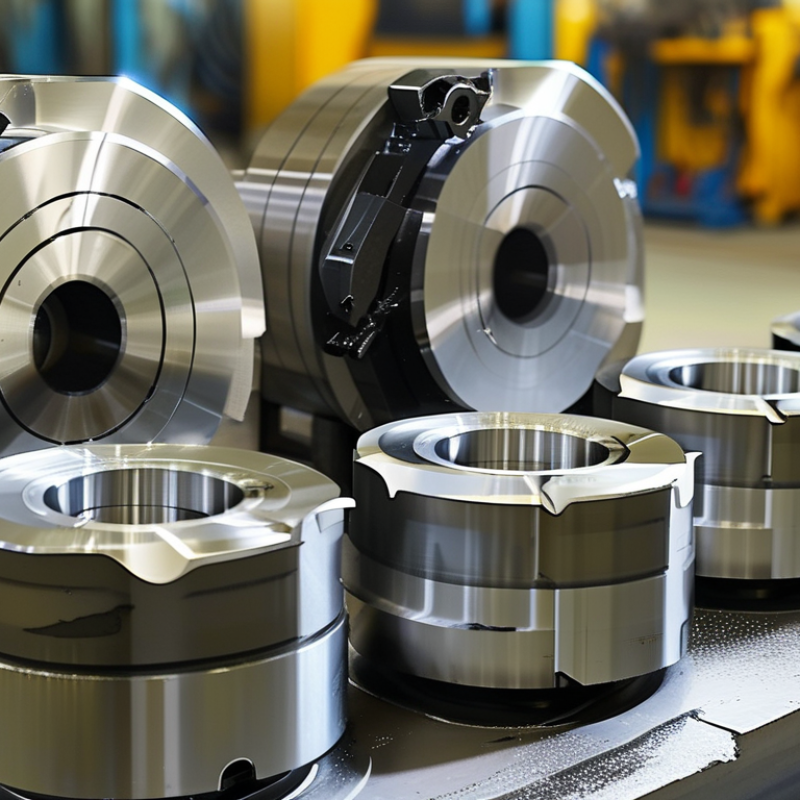
When exploring CNC machining parts manufacturers in China, the landscape is diverse and competitive. Many suppliers specialize in various fields, including automotive, aerospace, and electronics. They use advanced machinery to create precision parts. A key factor for global buyers is the reliability of these manufacturers. It’s important to assess their certifications and quality control measures. This knowledge can help ensure that the parts meet international standards.
Experience matters in this industry. Suppliers with years of expertise often provide better insights and solutions for specific needs. While some manufacturers may boast advanced technology, not all maintain consistent output quality. Buyers should consider visiting factories when possible. This provides a first-hand look at the production process and working conditions. Personal interaction can also help build trust.
Pricing can vary significantly, influenced by factors such as materials and production volumes. Some suppliers offer competitive rates but may compromise on quality. It’s essential for buyers to balance cost with quality to avoid future complications. Evaluating multiple suppliers can lead to better choices, fostering long-term partnerships that benefit both parties. While the search may seem straightforward, careful consideration is necessary to ensure a successful collaboration.
When selecting CNC machining parts suppliers in China, several crucial factors warrant consideration. Quality assurance is fundamental. It's essential to evaluate a supplier's quality control measures. Look for certifications and past performance records. Many suppliers claim high quality, but not all meet rigorous standards. Verifying these claims often involves requesting samples and visiting facilities when possible.
Another key factor is communication. Choose suppliers that are responsive and easy to work with. Language barriers can complicate projects. Clear communication helps mitigate misunderstandings. Also, understand their production capabilities. Some suppliers may specialize in specific techniques or materials. Ensure their expertise aligns with your project requirements.
Price is always a consideration, but it should not be the sole deciding factor. Consider the total cost of ownership, including shipping and potential delays. Cheap options may lead to inferior quality or unanticipated expenses. It’s imperative to reflect on experiences from previous partnerships. They can provide insights into reliability and service quality. A supplier's track record will play a significant role in your decision-making process.
| Supplier Location | Production Capacity (Units/Month) | Key Industries Served | Certifications | Lead Time (Days) |
|---|---|---|---|---|
| Shenzhen | 5000 | Electronics, Automotive | ISO 9001, TS16949 | 15 |
| Dongguan | 8000 | Aerospace, Medical | ISO 13485, CE | 20 |
| Guangzhou | 6000 | Consumer Goods, Furniture | ISO 9001, FSC | 30 |
| Hangzhou | 7000 | Construction, Heavy Machinery | ISO 9001, API | 25 |
| Wuxi | 9000 | Shipbuilding, Oil & Gas | ISO 9001, ASME | 35 |
CNC machining has surged in popularity globally. Many buyers look to China for sourcing quality machined parts. A 2022 report estimates that the CNC machining market will reach $117 billion by 2026, highlighting the robust growth and demand in this sector.
Leading suppliers in China have diversified their capabilities. They offer precision machining, milling, and turning services. Some reports suggest that around 73% of CNC parts are produced for the automotive and aerospace industries. However, suppliers often struggle with quality consistency. A recent survey indicated that 30% of manufacturers experienced issues with precision and tolerances. Buyers must remain vigilant about their supplier's adherence to quality standards.
Moreover, the supply chain landscape is complex. Many suppliers depend heavily on raw material availability. Inconsistent supply can lead to delays. A report also reveals that companies investing in quality assurance measures see a 15% reduction in defect rates. This statistic reinforces the importance of due diligence when selecting CNC machining partners in China.
When exploring CNC machining parts suppliers in China, pricing and quality play crucial roles. Suppliers vary widely in their pricing structures due to factors like production scale, material quality, and technology. Some may offer lower costs but compromise on precision. It’s essential to analyze each offer carefully. A cheaper part might lead to higher long-term costs due to rework and quality issues.
Quality assurance is another critical consideration. Many suppliers emphasize certifications and testing to prove their capabilities. However, not all certifications guarantee consistent quality. Some suppliers may achieve compliance solely for marketing purposes. It's vital to request samples and case studies that reflect real-world performance. This can help buyers gauge the reliability of various suppliers and their outputs.
Communication also impacts the buyer-supplier relationship. Mismatched expectations can occur if there's no clear dialogue. Suppliers sometimes misunderstand specifications or deadlines. This can lead to delays or misunderstandings in the final products. Engaging with suppliers early on can help mitigate these issues. Understanding their production capabilities and limitations allows for better planning and smoother operations.
Collaborating with CNC machining companies can be rewarding, yet it comes with challenges. Clear communication stands out as a crucial factor. Buyers should articulate their specifications, including materials, tolerances, and design drawings. This helps to avoid misunderstandings that could lead to costly errors. Frequent updates and feedback during production can keep the project aligned with expectations, ensuring quality output.
Understanding the supplier’s capabilities and limitations is vital. Not all companies have the same equipment or expertise. Conducting research about a supplier’s technical skills is essential. Sharing information about project timelines helps set realistic expectations for both parties. Transparency about budgets can also foster trust and lead to more fruitful negotiations.
Additionally, cultural differences may arise in international partnerships. Navigating these differences requires patience and adaptability. Building a relationship over time can lead to smoother processes. Reflection on initial missteps can help enhance future interactions. Recognizing that collaboration is a learning journey allows both sides to grow together.
: Focus on quality assurance, communication, and production capabilities. These factors greatly impact project success.
Request certifications, review past performance records, and ask for samples. Visiting their facilities can provide better insights.
Clear communication reduces misunderstandings about specifications and deadlines, minimizing delays in production.
Not necessarily. Low prices can lead to quality issues and higher long-term costs due to rework.
Experience matters. Suppliers with a solid track record can offer better insights and solutions for your needs.
Certifications indicate a supplier's commitment to quality, but not all ensure consistent performance. Always verify their claims.
Yes, visiting allows you to see production processes and working conditions, which can help build trust.
Factors include production scale, material quality, and technology used. Analyze each offer carefully.
Reflecting on previous partnerships can provide insights into reliability and service quality, guiding future decisions.
Choose suppliers who are responsive and easy to work with. This fosters better communication and reduces project complications.
The article provides a comprehensive overview of CNC machining parts suppliers in China, highlighting key manufacturers that cater to global buyers. It emphasizes essential factors to consider when choosing a CNC supplier, such as quality assurance, production capabilities, and delivery times. The comparison of pricing and quality among different Chinese suppliers serves to guide buyers in making informed decisions.
Additionally, the article offers valuable tips for successful collaboration with CNC machining companies, focusing on clear communication and setting mutual expectations. By understanding the landscape of CNC machining parts suppliers in China, international buyers can enhance their sourcing strategies and ensure quality outcomes for their projects.

SX Machining