Cnc Services have transformed the manufacturing landscape in recent years. According to a report by Mordor Intelligence, the global CNC machining market is expected to grow significantly, reaching $100 billion by 2026. This growth highlights the increasing reliance on CNC technology for precision and efficiency in production processes.
Businesses across various sectors benefit immensely from Cnc Services. They streamline operations, reduce waste, and enhance product quality. For instance, companies that adopt CNC machining report a 30% reduction in production time. However, integrating this technology requires investment and skilled personnel. Many businesses struggle during this transition, which can lead to inconsistent results.
Ultimately, harnessing the power of Cnc Services is essential for staying competitive. Companies must remain vigilant about training and technology updates. Striking a balance between cost and quality is crucial to ensure lasting improvements. Embracing CNC solutions may seem daunting, but the potential rewards can be significant for those ready to adapt.
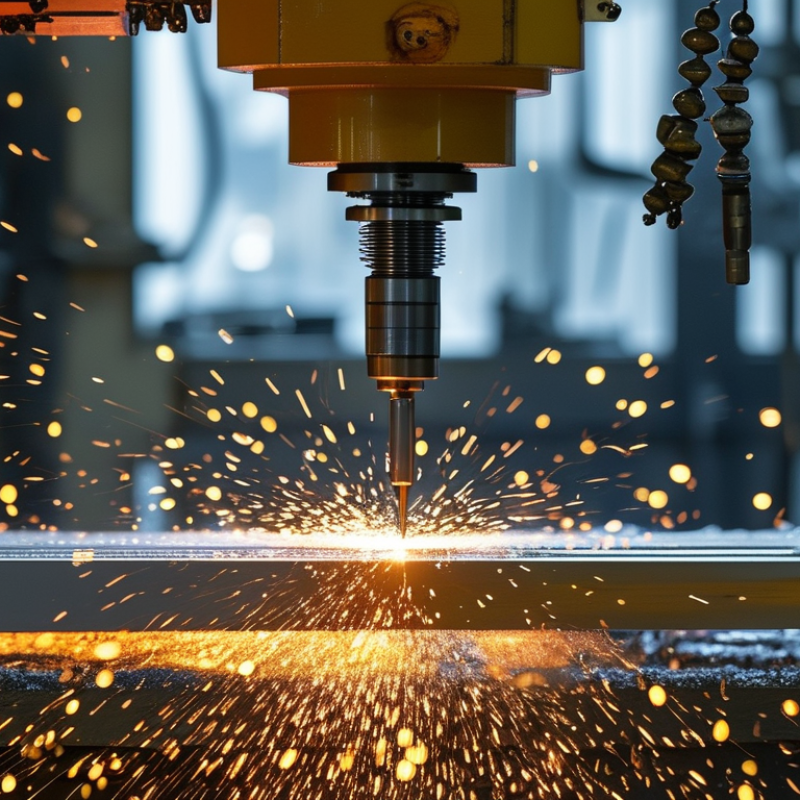
CNC services play a vital role in modern manufacturing. These services utilize computer-controlled machines to produce precise components. According to a recent study by MarketsandMarkets, the CNC machining market is projected to reach $100 billion by 2025, with a compound annual growth rate of 6.2%. This growth reflects the increasing reliance on automation in various industries.
The core functions of CNC services include milling, turning, and routing. Each of these processes contributes to the creation of detailed and complex parts. For instance, CNC milling can achieve intricate shapes and tight tolerances. A report from Deloitte indicates that 70% of manufacturers cite improved precision as a key benefit of adopting CNC technology. This advancement enhances product quality but can lead to challenges in workforce skill alignment.
However, there are potential drawbacks to consider. CNC machines require significant initial investment. Many businesses may struggle with maintenance and programming skills. Investing in training can elevate a workforce's capability, yet a lack of immediate returns can be disheartening. As firms weigh the risks and rewards, recognizing these factors is crucial for sustained success in CNC implementations.
CNC services play a significant role across various industries, providing precise manufacturing solutions. In sectors like aerospace, CNC technology enhances parts consistency. Data from the Advanced Manufacturing Office suggests that CNC machining reduces lead times by up to 75%. This efficiency is crucial in high-stakes environments where precision is non-negotiable. Companies benefit from the rapid production of high-quality components, allowing them to stay competitive.
The automotive industry also reaps rewards from CNC services. Research indicates that companies using CNC machining can cut waste by 30% while achieving tighter tolerances. This performance drives more affordable vehicle production, directly reflecting in market prices. Nevertheless, adoption can be challenging. Smaller firms may struggle with the initial investment or skilled labor shortages. Navigating these hurdles requires strategic planning and a clear understanding of CNC capabilities.
Moreover, CNC services are gaining traction in the medical field, with reports highlighting customized solutions for implants and surgical instruments. Personalization is key in healthcare, yet balancing customization with speed can be complex. As industries evolve, so do the demands for CNC services. Continuous innovation is critical for meeting these changing needs effectively.
| Industry | CNC Service Application | Advantages |
|---|---|---|
| Aerospace | Precision machining of components | High accuracy and reduced weight for enhanced performance |
| Automotive | Production of engine components and chassis | Increased production speed and lower manufacturing costs |
| Medical | Fabrication of surgical instruments | Enhanced precision and reliability in medical applications |
| Electronics | Production of enclosures and circuit boards | Complex designs with tight tolerances |
| Construction | Custom fabrications for structural components | Increased structural integrity and reduced waste |
CNC services revolutionize the manufacturing landscape, enhancing both efficiency and precision. CNC stands for Computer Numerical Control. This technology automates machinery, allowing for intricate designs with minimal human error. Precision is significantly improved, as machines follow programmed paths with exactness. This results in parts that fit perfectly and function optimally.
To maximize the benefits of CNC services, understanding your specific needs is crucial. Analyze the materials you work with and your production volume. Adequate planning can reduce waste and save costs. Pay attention to the software used for CNC programming. Up-to-date technology can streamline processes and improve output quality.
Regular maintenance of CNC machines is essential. Even the best technology can falter without proper care. Routine checks can prevent costly downtime. Encourage your team to learn about the machine’s operations. Training is vital for both efficiency and safety. By fostering a knowledgeable workforce, you increase productivity and reduce mishaps.
Choosing the right CNC service provider is critical for your business success. Consider their experience and expertise in the specific materials you work with. A company with a solid track record will likely understand the nuances of machining and design. Don't hesitate to ask about past projects and outcomes. This can provide insight into their capabilities.
Another important factor is technology. Evaluate the range of CNC machines and software they utilize. Advanced machinery can offer precision and efficiency. However, newer technology often requires skilled operators. Ensure the provider invests in training their team. Check for certifications that indicate their staff’s proficiency.
Communication style is essential. A responsive provider will help streamline your project. They should be open to discussions and feedback. Assess their willingness to collaborate on design changes. This flexibility can be vital, especially when unexpected issues arise. Ultimately, clarity in communication can set the tone for a successful partnership.
The future of CNC services is shaping the landscape of manufacturing. As industries pivot towards automation, the demand for CNC technology is projected to grow substantially. Reports suggest that the global CNC machine market will reach over $100 billion by 2026, reflecting a compound annual growth rate (CAGR) of approximately 7%. This growth signals not only increased production efficiency but also a shift towards greater customization in manufacturing.
Businesses are increasingly leveraging advanced CNC services for their potential to minimize waste. The precision offered by CNC machining reduces the need for rework and lowers material costs. A recent study highlighted that implementing CNC technology can improve production rates by about 30%. However, many companies remain hesitant. Some lack the necessary expertise to integrate these systems effectively, which can lead to underperformance. It’s vital for businesses to invest in training and knowledge to maximize the benefits of CNC solutions.
Embracing emerging technologies like AI integration with CNC could revolutionize operational capabilities. For instance, AI can predict maintenance needs, reducing downtime. Yet, the investment can be daunting. Companies must weigh the associated risks against the long-term benefits. It’s crucial to analyze individual business needs and readiness before fully committing to CNC advancements. As the industry evolves, adaptability and continuous learning will be essential for success in this dynamic environment.
: CNC services use computer-controlled machines to create precise manufacturing components.
Core functions include milling, turning, and routing, essential for detailed parts.
CNC technology ensures consistent parts and can reduce lead times by up to 75%.
They help cut waste by 30% and allow tighter tolerances, lowering vehicle production costs.
They may struggle with initial investments and finding skilled labor, impacting progress.
Regular checks can prevent breakdowns and costly downtime, ensuring smooth operations.
Updated software can enhance processes, improve output quality, and minimize errors.
Training increases workforce skills, boosts productivity, and ensures safer machine operation.
Yes, as improved precision can require new skills not immediately available in the workforce.
It's challenging, as they must meet personalization needs while also ensuring timely delivery.
CNC services, which utilize computer-controlled machinery to automate manufacturing processes, play a crucial role in modern industries. These services not only enhance the precision and efficiency of production but also offer significant advantages, such as reduced labor costs and improved product consistency. By leveraging CNC technology, businesses can streamline operations, minimize waste, and maintain high-quality standards across various sectors.
When selecting a CNC service provider, it’s essential to consider factors like expertise, technology availability, and customer support. As industries continue to evolve, future trends in CNC services, including advancements in automation and materials, are set to further transform manufacturing landscapes, presenting new opportunities for businesses to innovate and optimize their production processes.

SX Machining